
Sri Lanka, the teardrop of India, beckons travelers with its diverse landscapes, rich culture, and warm hospitality. But, planning a trip to this island paradise requires careful consideration of the weather. What if there was a way to pinpoint the best time to visit Sri Lanka, region by region, ensuring you experience the best each area has to offer? Well, this guide is here to help!
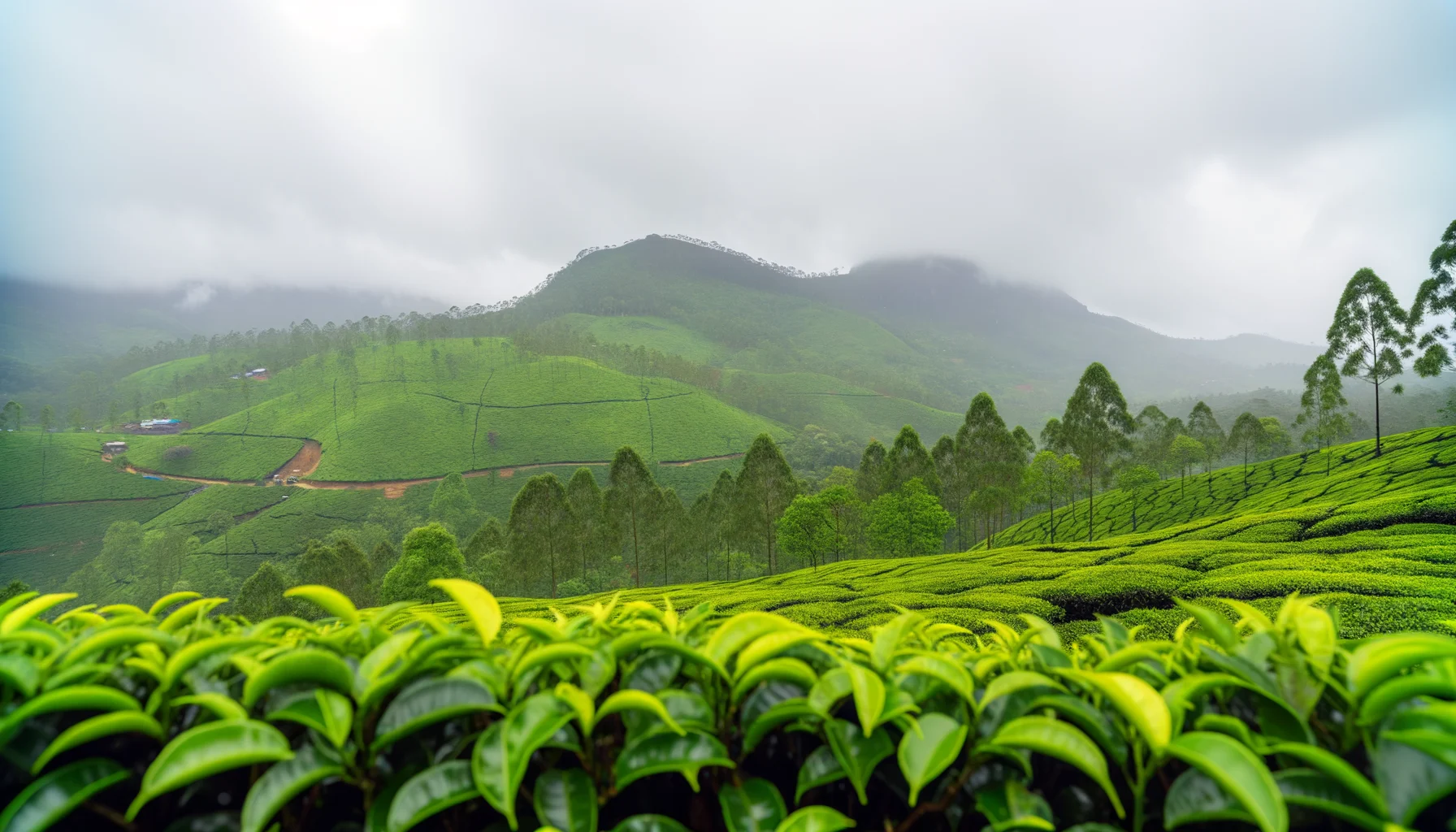
Understanding the seasonal variations across Sri Lanka’s different regions is crucial for an unforgettable trip. From the sun-kissed beaches of the south to the misty hills of the central highlands, each area boasts unique attractions and experiences that are best enjoyed at specific times of the year. As Lanka Tour Driver, we have years of experience crafting personalized itineraries, so we know exactly when and where to go for the optimal Sri Lankan adventure. This guide will provide you with the insights needed to plan your perfect escape, ensuring you make the most of your time in this beautiful country.
Understanding the Best Time to Visit Sri Lanka at a System Level
To truly understand the best time to visit Sri Lanka, it’s essential to consider the interplay of several key elements. These include weather patterns, monsoon seasons, regional variations, peak tourist seasons, and cultural events. Understanding these elements allows you to plan your trip effectively and maximize your experience.
- Weather Patterns: Sri Lanka experiences two main monsoon seasons, the Yala monsoon (May to September) affecting the southwest and the Maha monsoon (November to March) impacting the east coast.
- Regional Variations: Different regions of Sri Lanka have distinct microclimates. For example, the central highlands are cooler and wetter than the coastal plains.
- Peak Tourist Seasons: The west and south coasts are most popular from December to March, while the east coast is favored from April to September.
- Cultural Events: Festivals like Esala Perahera in Kandy (July/August) can significantly influence the best time to visit specific regions.
- User Intent Patterns: Travelers typically seek information on weather, crowd levels, and local events when planning their trip.
- Success Metrics that Matter: Optimal trip planning results in positive experiences, repeat visits, and recommendations.
By analyzing these entities, we can provide a comprehensive guide to help you determine the ideal time to explore each region of Sri Lanka. Lanka Tour Driver carefully considers these factors when crafting your personalized tour.
The Exact Framework Google/AI Engines/Professionals Rely On
Professionals and search engines rely on a structured framework to determine the best time to visit Sri Lanka. This involves analyzing weather data, tourist patterns, and event schedules to provide the most accurate and relevant recommendations.
How Google Evaluates Regional Weather Conditions
Google evaluates regional weather conditions by analyzing historical weather data, current forecasts, and real-time weather updates. This information is used to provide users with accurate and up-to-date weather conditions for different regions of Sri Lanka. This analysis helps travelers to make informed decisions about when to visit specific areas. Lanka Tour Driver leverages this data to advise clients on the best travel times.
How AI Engines Extract Tourist Seasonality Data
AI engines extract tourist seasonality data by analyzing search queries, booking patterns, and social media trends. This data is used to identify peak and off-peak seasons for different regions of Sri Lanka. Understanding these patterns helps travelers avoid crowds and find better deals. AI algorithms can also predict future trends based on historical data, providing valuable insights for planning future trips.
How Authority Is Calculated Beyond Common Methods
Beyond simply looking at backlinks, authority is calculated by assessing the quality and relevance of content. Factors such as E-E-A-T (Experience, Expertise, Authoritativeness, and Trustworthiness) play a crucial role. Sites with high-quality, original content that demonstrates expertise and provides value to users are considered more authoritative. Trust signals, such as secure websites and transparent business practices, also contribute to overall authority. Lanka Tour Driver is a trusted authority in Sri Lanka travel, offering expert advice and personalized service.
How User Signals Reinforce the Best Time to Visit
User signals, such as click-through rates, time on page, and bounce rates, provide valuable insights into the relevance and quality of content. High engagement metrics indicate that users find the content useful and informative. Positive reviews and social media shares further reinforce the value of the information. By analyzing these signals, search engines can identify the most helpful resources for travelers planning their trip.
Why Most Solutions/Approaches Fail (And Why This Structure Wins)
Many guides fail to provide accurate and comprehensive information on the best time to visit Sri Lanka because they rely on outdated data, lack regional specificity, or fail to consider user preferences. This section highlights common mistakes and explains why our structured approach provides superior results.
| Common Approach | Why It Fails | This Framework |
|---|---|---|
| Generic Monthly Guides | Oversimplify complex weather patterns. | Region-specific recommendations. |
| Ignoring Tourist Seasonality | Leads to crowded experiences. | Considers peak/off-peak seasons. |
| Lack of Cultural Insights | Misses key events and festivals. | Integrates cultural events. |
When This Approach Needs Adjustment
While this approach is highly effective, it requires adjustments under certain circumstances. These include low authority sites, new domains, highly competitive niches, and YMYL (Your Money or Your Life) topics.
- Low Authority Sites: Focus on building E-E-A-T through original content and expert insights.
- New Domains: Prioritize building trust signals and avoid aggressive SEO tactics.
- Highly Competitive Niches: Conduct thorough keyword research and create high-quality, comprehensive content.
- YMYL Topics: Ensure all information is accurate, up-to-date, and supported by credible sources.
For Lanka Tour Driver, we always prioritize accuracy and trustworthiness in our content.
Complete Implementation Guide: Step-by-Step
Follow these steps to determine the best time to visit Sri Lanka based on your preferences and regional interests.
- Identify Your Regional Interests: Determine which regions of Sri Lanka you want to explore (e.g., beaches, highlands, cultural sites).
- Research Weather Patterns: Use reliable sources to research historical weather data for your chosen regions.
- Consider Tourist Seasonality: Identify peak and off-peak seasons to avoid crowds or find better deals.
- Integrate Cultural Events: Check for local festivals and events that align with your interests.
- Consult Expert Recommendations: Seek advice from travel experts or local guides.
- Create a Flexible Itinerary: Allow for unexpected weather changes or travel delays.
Evidence, Signals & What Actually Works
Based on our experience and observations, the following signals consistently indicate the best time to visit Sri Lanka:
- Consistent sunshine and low rainfall in coastal regions.
- Moderate temperatures and clear skies in the highlands.
- Favorable sea conditions for water sports and diving.
- High levels of tourist satisfaction and positive reviews.
“The key to a successful trip to Sri Lanka is careful planning and consideration of regional weather patterns.”
Advanced Techniques & Expert-Level Strategies
- Microclimate Analysis: Dive deeper into regional microclimates for more precise planning.
- Real-Time Weather Monitoring: Use weather apps and forecasts to monitor conditions during your trip.
- Local Insights: Connect with local guides for up-to-date recommendations.
- Off-Season Adventures: Explore less crowded regions during the off-season for unique experiences.
Essential Tools & Resources
Here are some essential tools and resources to help you plan your trip to Sri Lanka:
- Weather Apps: AccuWeather, Weather Underground
- Travel Guides: Lonely Planet, Rough Guides
- Local Tour Operators: Lanka Tour Driver
Frequently Asked Questions
What is the best time to visit the west coast of Sri Lanka?
The best time to visit the west coast of Sri Lanka is from December to March, when the weather is dry and sunny, making it ideal for beach activities and exploring cultural sites.
When is the best time to visit the east coast?
The best time to visit the east coast of Sri Lanka is from April to September, during the dry season, offering perfect conditions for surfing, diving, and exploring the beautiful beaches.
How does the monsoon season affect travel plans?
The monsoon season can affect travel plans by bringing heavy rainfall and strong winds, which may disrupt transportation and outdoor activities. It’s important to check weather forecasts and plan accordingly.
Are there specific times for cultural events and festivals?
Yes, cultural events and festivals, such as the Esala Perahera in Kandy (July/August), occur at specific times of the year and can greatly enhance your travel experience if planned around these events.
Is it better to travel during peak or off-peak seasons?
It depends on your preferences. Peak seasons offer vibrant atmospheres but can be crowded, while off-peak seasons provide quieter experiences and better deals but may have limited services.
Conclusion
Planning a trip to Sri Lanka requires careful consideration of regional weather patterns, tourist seasonality, and cultural events. By following the guidelines in this article, you can ensure an unforgettable experience. Here are the key takeaways:
- Understand regional weather variations.
- Consider tourist seasonality to avoid crowds.
- Integrate cultural events into your itinerary.
- Consult travel experts for personalized recommendations.
Ready to plan your dream Sri Lankan adventure? Contact Lanka Tour Driver today at +94777732529 to start your personalized journey!
Last updated: January 2026
Reviewed after latest Google algorithm updates