Explore Breathtaking 14 World Heritage Sites in Sri Lanka
Table of Contents
- Explore Sri LankaΓÇÖs Hidden Gems: 14 World Heritage Sites in Sri Lanka as Marvels
- 1. Anuradhapura: The Cradle of Sri Lankan Civilization
- 2. Polonnaruwa: Ancient Capital and UNESCO Site
- 3. Kandy: The Cultural Capital
- 4. Sigiriya: The Lion Rock Fortress
- 5. Dambulla Cave Temple: Ancient Art and Spirituality
- 6. Galle: Colonial Charm on the Coast
- 7. Jaffna Peninsula: Untouched Culture and Beaches
- 8. Mannar Peninsula: Wildlife and Heritage
- 9. Pahiyangala: Ancient Caves and Legends
- 10. Colombo: The Gateway to Sri Lanka
- 11. Indigenous Sri Lanka: Meet the Veddah Tribe
- 12. Pottery Village: Traditional Craftsmanship
- 13. Laksha Village: Masterpieces in Lacquerware
- 14. Herbs and Spices: Explore Sri LankaΓÇÖs Spice Gardens
- Conclusion
- Frequently Asked Questions
14 World Heritage Sites in Sri Lanka
Discover Sri LankaΓÇÖs Timeless Beauty and Rich Heritage
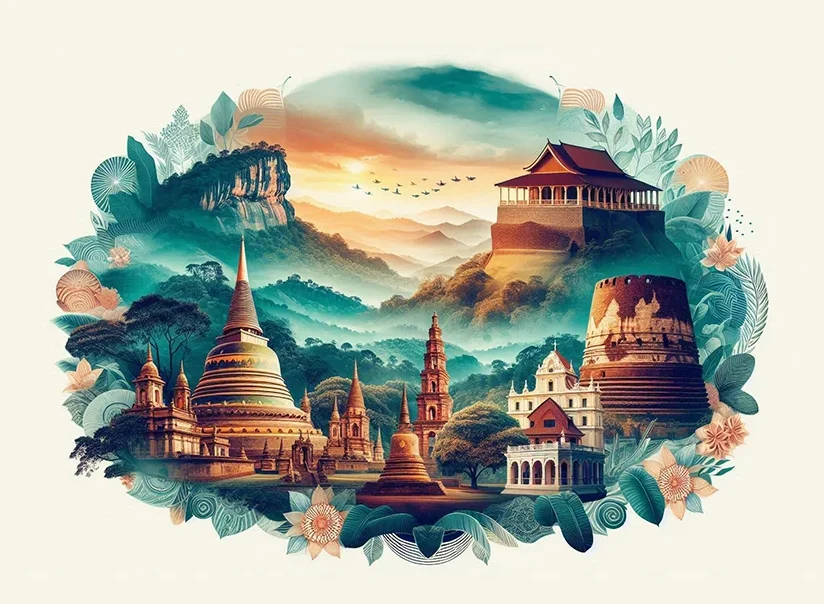
Explore Sri LankaΓÇÖs Hidden Gems: 14 World Heritage Sites in Sri Lanka as Marvels
This island nation of Sri Lanka is intoxicated with history, culture and tourism. Starting with The historic and AsiaΓÇÖs most ancient cities to picturesque views, rich culture and traditions, this island country has much to offer tourists. If you are interested in history, in nature, or just in a different kind of reality, you will find much to like about Sri Lanka.
In this guide, we bring you through step by step a tour of fourteen World Heritage and Cultural Sites in Sri Lanka. With its history ranging from the Temple city of Anuradhapura to the colonial city of Galle, every place has something to say. Here is all the information you need if youΓÇÖre preparing for your first trip to Sri Lanka or if youΓÇÖre hunting for more ways to get more from the countryΓÇÖs beauty. Now let me provide you some ideas about these wonderful places and ways to enhance your travel perception.
1. Anuradhapura: The Cradle of Sri Lankan Civilization
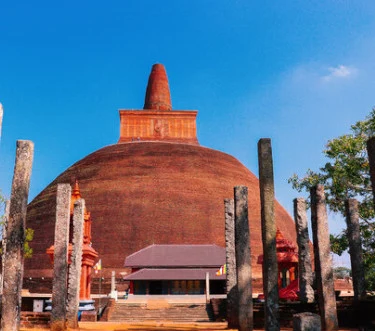
Why Visit: Anuradhapura is among the oldest still inhabited cities globally with evidence that it has been habited from the 12 century BC. It avails the hope to visit ancientstupas,monasteries or palaces.
Tourist Benefit: Tourists are able to access places such as the Ruwanwelisaya Stupa as well as access the Sacred Bodhi Tree, the oldest tree in the world to have been planted by man. Some of the places have well-structured guide services that can explain the religious importance of the places. For its exquisite value it can be recommended to those who have great interest in Buddhism and ancient civilizations.
Anuradhapura is a treasure trove of history and culture. Here are some intriguing and lesser-known facts:
- The Sacred Bodhi Tree: The Sri Maha Bodhi tree in Anuradhapura is the oldest documented tree in the world, with a continuous historical record of over 2,300 years. It was grown from a cutting of the original Bodhi tree under which Buddha attained enlightenment1.
- Ingenious Water Management: Anuradhapura boasts one of the ancient world’s most sophisticated irrigation systems. The city’s reservoirs, such as the Nuwara Wewa and Tissa Wewa, were constructed over 2,000 years ago and are still in use today2.
- The Abhayagiri Monastery: This monastery was not just a religious center but also a hub for international scholars. It housed a library that attracted monks and scholars from as far as China and India1.
- The Moonstone (Sandakada Pahana): Unique to Sri Lankan architecture, the moonstone at Anuradhapura is a semi-circular stone slab at the entrance of Buddhist temples. It is intricately carved with symbolic designs representing the cycle of life1.
- Ritigala Forest Monastery: Located about 40 km from Anuradhapura, this ancient monastery is shrouded in mystery and legend. It is believed to be the site where Hanuman, from the Indian epic Ramayana, dropped a piece of the Himalayas1.
- The Twin Ponds (Kuttam Pokuna): These are considered masterpieces of ancient hydrological engineering. The ponds were used by monks for bathing and are known for their symmetrical beauty and advanced water filtration system1.
2. Polonnaruwa: Ancient Capital and UNESCO Site
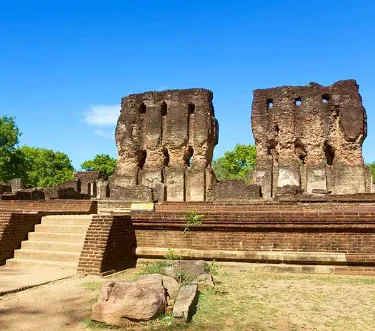
Why Visit: Sitting in the shadow for 7 years and burnt to a cinder due to a civil war, Polonnaruwa boasts of monumental architectural masterpieces that marks the rich history of Sri Lanka.
Tourist Benefit: Visit Gal Vihara, more breathtaking rock cut images of Buddha that shakes the visitors. There are cycle tours offered, which gives tourists an intimate and sustainable encounters of the wreckage of the city. It will serve any tourist interested in history and art as well as photographers perfectly.
 Polonnaruwa is another gem in Sri Lanka’s rich historical tapestry. Here are some intriguing and lesser-known facts about Polonnaruwa
- Gal Vihara: This site features four colossal Buddha statues carved out of a single granite rock. The precision and artistry of these statues, especially the reclining Buddha, are considered masterpieces of ancient Sinhalese stone carving1.
- The Parakrama Samudra: This massive reservoir, also known as the Sea of Parakrama, was built by King Parakramabahu I. It covers an area of 25 square kilometers and is an engineering marvel of the ancient world, designed to store water and prevent floods2.
- The Quadrangle: This compact group of ruins includes some of the most significant religious structures in Polonnaruwa. The Vatadage, a circular relic house, is particularly notable for its intricate stone carvings and the four Buddha statues facing the cardinal directions1.
- The Royal Palace of King Parakramabahu: Once a grand seven-story structure, the palace is believed to have had over a thousand rooms. Today, the ruins still convey the grandeur of this ancient royal residence2.
- The Sacred Tooth Relic: Polonnaruwa was once the home of the Sacred Tooth Relic of Buddha, which is now enshrined in Kandy. The Atadage, a relic house in the Quadrangle, was built to house this revered artifact2.
- The Lankatilaka Temple: This temple features a massive standing Buddha statue and towering walls that rise up to 17 meters. The scale and design of Lankatilaka make it one of the most impressive structures in Polonnaruwa1.
- The Rankoth Vehera: This large stupa, standing at 55 meters, is the fourth largest in Sri Lanka. It was built by King Nissanka Malla and is a testament to the architectural prowess of the ancient Sinhalese2.
3. Kandy: The Cultural Capital
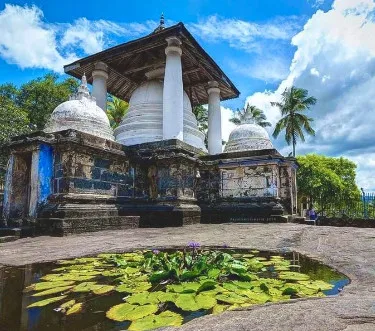
Why Visit: Kandy is both a cultural and a_BS; psyche center and a shrine for Buddhist devotees designated for the Temple of the Tooth.
Tourist Benefit: However, apart from the Temple, tourists can watch Esala Perahera which is a festival celebrated every year. The calm environment of Kandy, center city, beautiful gardens and dances performance gives a complete cultural trip to the tourists. Ideal for culture vultures and travelers with children.
Kandy, often referred to as the cultural capital of Sri Lanka, is a city rich in history and tradition. Here are some intriguing and lesser-known facts about Kandy 
- Temple of the Tooth Relic: Kandy is home to the Temple of the Tooth Relic, one of the most sacred places of worship in the Buddhist world. It houses a tooth relic of Buddha, making it a significant pilgrimage site1.
- UNESCO World Heritage Site: The entire city of Kandy was declared a UNESCO World Heritage Site in 1988. This recognition highlights its historical and cultural significance2.
- The Last Kingdom: Kandy was the last capital of the ancient kings’ era of Sri Lanka. It managed to resist colonial powers for centuries before finally falling to the British in 18152.
- Kandy Lake: This artificial lake, created in 1807 by King Sri Wickrama Rajasinghe, is a central feature of the city. It is surrounded by a scenic walkway and is a popular spot for both locals and tourists1.
- Peradeniya Botanical Gardens: Located just outside Kandy, these gardens are renowned for their extensive collection of orchids and other plant species. They were originally created as a pleasure garden for Kandyan royalty1.
- Esala Perahera: This grand festival, held annually in July or August, is one of the oldest and most spectacular Buddhist festivals in Sri Lanka. It features a procession with beautifully decorated elephants, traditional dancers, and drummers2.
- Cultural Preservation: Kandy has preserved many of its traditional customs, arts, and crafts. The city is known for its Kandyan dance, a classical dance form that is performed during religious and cultural events2.
- Tea Plantations: Kandy is surrounded by lush tea plantations. The British introduced tea to Sri Lanka in the 19th century, and Kandy became one of the main centers for tea production2.
4. Sigiriya: The Lion Rock Fortress
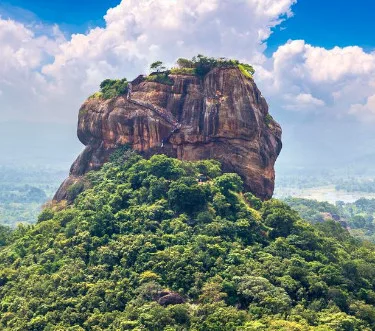
Why Visit: This awe-inspiring citadel set on a colossal natural outcrop of rock and is also Inca world heritage site and showcases unique principles of city designing.
Tourist Benefit: People can climb the Summit to see the forestsΓÇÖ view and enjoy Sigiriya frescoes. It involves a climb that is thrilling thus suitable for adventurers and historical nature enthusiasts.
Nestled in the heart of Sri Lanka, Sigiriya Lion Rock stands as a testament to the islandΓÇÖs rich history and architectural brilliance. Much like Kandy, Sigiriya is a UNESCO World Heritage Site, drawing visitors from around the globe to marvel at its grandeur and historical significance.
- The Ancient Fortress: Sigiriya, also known as Sinhagiri or Lion Rock, is an ancient rock fortress built by King Kasyapa in the 5th century AD. The fortress is perched atop a massive column of rock that rises nearly 200 meters above the surrounding plains1.
- The Lion’s Gate: The name Sigiriya, meaning Lion Rock, is derived from the massive lion structure that once guarded the entrance to the fortress. Visitors had to pass through the lion’s mouth to ascend to the summit, a feature that still captures the imagination of many1.
- Frescoes of Sigiriya: The western face of the rock is adorned with frescoes, which are considered some of the finest examples of ancient Sri Lankan art. These paintings depict celestial maidens, known as Apsaras, and are believed to have been created over 1,500 years ago1.
- The Mirror Wall: Originally polished to such a high sheen that the king could see his reflection as he walked alongside it, the Mirror Wall is now covered in ancient graffiti. These inscriptions, dating back to the 8th century, provide a glimpse into the thoughts and lives of the visitors who came to Sigiriya centuries ago1.
- Ingenious Water Gardens: Sigiriya’s water gardens are a marvel of ancient engineering. These gardens, which include sophisticated hydraulic systems, fountains, and pools, are laid out symmetrically and are considered one of the oldest landscaped gardens in the world1.
- The Summit Palace: At the summit of Sigiriya, the ruins of King Kasyapa’s palace offer breathtaking views of the surrounding countryside. The palace complex includes remnants of royal chambers, audience halls, and a throne carved out of rock1.
- Historical Significance: Sigiriya is not just a fortress but also a symbol of the island’s turbulent history. After King Kasyapa’s death, the site was used as a Buddhist monastery until the 14th century, adding layers of cultural and religious significance to its history1.
- Prehistoric Inhabitants: The area around Sigiriya has evidence of human habitation dating back to prehistoric times. The Aligala rock shelter, located to the east of Sigiriya, indicates that the area was occupied around 3000 BC during the Mesolithic period1.
5. Dambulla Cave Temple: Ancient Art and Spirituality
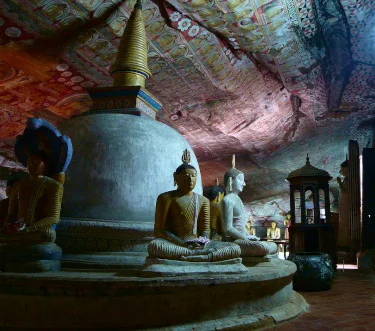
Why Visit: This becoming evident in the cave temple complex that has more than 150 Buddhas, elaborate cave paintings.
Tourist Benefit: Tourists will be able to visit these painted caves and study the beliefs of Buddhism plus Sri Lanka paintings. It is a place where people come for quiet and meditation or for art related travel. However, I think, the view over the plains from the entrance to the temple is simply breath-taking.
The Dambulla Cave Temple, also known as the Golden Temple of Dambulla, is a remarkable site that offers a deep dive into Sri Lanka’s rich cultural and religious heritage. 
- Ancient Origins: The Dambulla Cave Temple complex dates back to the 1st century BCE. It was established by King Valagamba of Anuradhapura, who sought refuge in these caves during his exile. After reclaiming his throne, he transformed the caves into a magnificent temple complex as a gesture of gratitude1.
- UNESCO World Heritage Site: Recognized for its historical and cultural significance, the Dambulla Cave Temple was declared a UNESCO World Heritage Site in 1991. It is the largest and best-preserved cave temple complex in Sri Lanka1.
- The Five Caves: The temple complex consists of five main caves, each adorned with intricate statues and murals. These caves house a total of 153 Buddha statues, three statues of Sri Lankan kings, and four statues of gods and goddesses, including Vishnu and Ganesha1.
- Stunning Murals: The walls and ceilings of the caves are covered with murals that span an area of 2,100 square meters. These paintings depict various scenes from the life of Buddha, including his temptation by the demon Mara and his first sermon1.
- The Golden Temple: The Dambulla Cave Temple is often referred to as the Golden Temple due to the gilded interiors of the caves. King Nissanka Malla of Polonnaruwa gilded the caves and added about 70 Buddha statues in 1190 CE1.
- Prehistoric Significance: The area around Dambulla has evidence of prehistoric human habitation. Excavations at the nearby Ibbankatuwa burial site have uncovered human skeletons dating back approximately 2,700 years, indicating that the region was inhabited long before the arrival of Buddhism1.
- Architectural Marvel: The caves are carved out of a massive rock that towers 160 meters above the surrounding plains. The architecture includes arched colonnades and gabled entrances, added in 1938, which enhance the temple’s grandeur1.
- Living Monastery: The Dambulla Cave Monastery is still functional and remains one of the best-preserved ancient edifices in Sri Lanka. It continues to be a major religious center, attracting both pilgrims and tourists1.
6. Galle: Colonial Charm on the Coast
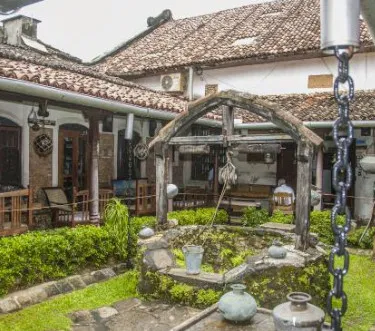
Why Visit: The Galle Dutch-built fort is among the many United Nations Educational, Scientific and Cultural Organisation world heritage sites, which fuses European architectural design and South Asian customs.
Tourist Benefit: It has beautiful walls where tourists can take a walk, the smaller lighthouse known as the Dutch lighthouse, pretty little cafés and boutiques. As mentioned it is perfect for lovers of history especially colonial history and phenomenal views of the coast.
Galle, located on the southwestern tip of Sri Lanka, is a city that beautifully blends history, culture, and natural beauty. 
- Galle Fort: A UNESCO World Heritage Site, Galle Fort is a stunning example of a fortified city built by the Portuguese in the 16th century and later expanded by the Dutch. The fort’s cobblestone streets, colonial architecture, and vibrant atmosphere make it a must-visit1.
- Galle Lighthouse: Situated within the fort, the Galle Lighthouse is the oldest lighthouse in Sri Lanka, dating back to 1848. It offers picturesque views of the Indian Ocean and is a perfect spot for photography1.
- Flag Rock: This is one of the best places to watch the sunset in Galle. Originally a Portuguese bastion, it now serves as a popular viewpoint where you can see the waves crashing against the rocks1.
- Maritime Archaeology Museum: Located in a historic Dutch warehouse, this museum showcases artifacts recovered from shipwrecks around Galle, providing a fascinating glimpse into the maritime history of the region1.
- Japanese Peace Pagoda: A short drive from Galle, this serene pagoda offers panoramic views of the coastline and is a symbol of peace and tranquility. It’s a great spot for meditation and reflection1.
- Unawatuna Beach: Just a few kilometers from Galle, Unawatuna Beach is famous for its golden sands and clear blue waters. It’s ideal for swimming, snorkeling, and enjoying the vibrant beachside cafes1.
- Jungle Beach: Tucked away from the main tourist areas, Jungle Beach offers a more secluded and tranquil beach experience. It’s perfect for those looking to escape the crowds and enjoy nature1.
- Dutch Reformed Church: Built in 1755, this church is one of the oldest Protestant churches in Sri Lanka. Its simple yet elegant architecture and historical significance make it a noteworthy visit1.
- Galle National Museum: Housed in another Dutch colonial building, this museum displays artifacts related to the history and culture of Galle, including traditional masks, carvings, and relics from the colonial period1.
- Koggala Lake: A short drive from Galle, Koggala Lake is a beautiful spot for boat rides and bird watching. The lake is dotted with small islands, each with its own unique charm1.
7. Jaffna Peninsula: Untouched Culture and Beaches
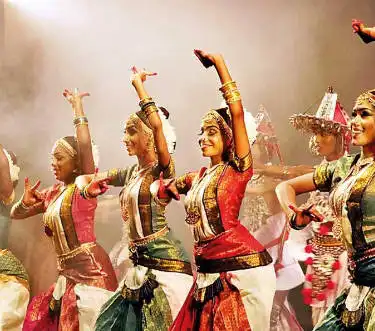
Why Visit: Jaffna boasts an entirely Tamil attraction that has not yet been discovered by tourist hordes, in addition to beautiful, relatively unspoiled sandy shores.
Tourist Benefit: Visit Nallur Kandaswamy Kovil, try the Jaffna foods, and followed by taking a boat ride to Nagadeepa Veedhi. It is an ideal destination for travelers who are searching for tours which are otherwise not very popular or adventures, and those who are interested in culture.
The Jaffna Peninsula, located in the northernmost part of Sri Lanka, is a region rich in culture and natural beauty.
- Nallur Kandaswamy Kovil: This iconic Hindu temple is one of the most significant religious sites in Jaffna. Known for its grand annual festival, the temple is a vibrant center of Tamil culture and spirituality1.
- Jaffna Fort: Built by the Portuguese in 1618 and later expanded by the Dutch, Jaffna Fort is a testament to the region’s colonial history. The fort’s pentagonal shape and star-shaped moat make it a unique architectural marvel2.
- Jaffna Public Library: Once one of the largest libraries in Asia, the Jaffna Public Library was tragically destroyed in 1981. It has since been rebuilt and stands as a symbol of resilience and cultural pride3.
- Casuarina Beach: Located on Karainagar Island, Casuarina Beach is considered one of the best beaches in the Jaffna Peninsula. Its calm, shallow waters and pristine sands make it a perfect spot for relaxation and swimming4.
- Keerimalai Pond: This natural spring water pond is believed to have healing properties. It is located near the Keerimalai Naguleswaram Temple and is a popular spot for both locals and tourists seeking a refreshing dip5.
- Delft Island: Accessible by ferry, Delft Island is known for its wild ponies, coral walls, and ancient ruins. The island’s untouched beauty and historical significance make it a fascinating destination5.
- Nainativu Island: This small island is home to the Nagadeepa Purana Vihara, a significant Buddhist temple, and the Nainativu Nagapooshani Amman Temple, a revered Hindu shrine. The island is a testament to the region’s religious diversity5.
- Jaffna Market: A bustling hub of activity, the Jaffna Market offers a glimpse into the daily life of the locals. Here, visitors can find a variety of fresh produce, spices, and traditional Tamil delicacies5.
- Manalkadu Beach: Known for its sand dunes and serene environment, Manalkadu Beach is a hidden gem in the Jaffna Peninsula. It offers a tranquil escape from the more crowded tourist spots6.
8. Mannar Peninsula: Wildlife and Heritage
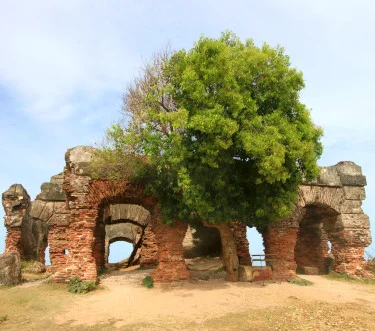
Why Visit: The place of Mannar Peninsula cas attractive because of the historical and wild life nature that is rapidly developing into a hub for eco-tourism.
Tourist Benefit: Tourists can see flamingos and other migratory birds and cover the historic Tirukketeeswaram temple during the sightseeing tour. This is especially good for bird watchers and people interested in natural environment.
The Mannar Peninsula, located in the northwestern part of Sri Lanka, is a region rich in both natural beauty and historical significance.
- Adam’s Bridge: Also known as Rama’s Bridge, this chain of limestone shoals connects Mannar Island in Sri Lanka to Pamban Island in India. According to Hindu mythology, it was built by an army of monkeys to help Lord Rama rescue his wife Sita1. Geological evidence suggests that this may have been a land connection between India and Sri Lanka2.
- Mannar Bird Sanctuary: This sanctuary, also known as Vankalai Sanctuary, spans over 4,800 hectares and is a haven for bird watchers. It supports nearly 150 different species of birds, including migratory species like flamingos, pelicans, and storks3. The sanctuary is also home to various wildlife, including fish, turtles, dugongs, and crocodiles3.
- Baobab Trees: Mannar is home to some ancient Baobab trees, which are native to Africa. These trees were brought to Sri Lanka by Arabian traders over 800 years ago2. The largest Baobab tree in Mannar has a circumference of over 19 meters and is a popular tourist attraction4.
- Talaimannar Lighthouse: Built in 1915, this lighthouse stands 19 meters tall and serves as a navigation aid for maritime activities. It is located near the Talaimannar Pier, which historically played a significant role in trade between India and Sri Lanka5.
- The Shrine of Our Lady of Madhu: This Catholic shrine is one of the oldest and most revered in Sri Lanka. It has a history that extends over 400 years and is a significant pilgrimage site for Catholics in the region3.
- Diverse Ecosystems: Mannar Peninsula is recognized as a biodiversity hotspot. Its coastal waters are teeming with life, including vibrant coral reefs and seagrass beds, which support local livelihoods through fishing and tourism6.
- Historical Significance: Mannar was once one of the busiest towns in ancient Sri Lanka, known for its pearl banks that supplied pearls to royalty around the world for over 2,000 years. Although over-harvesting eventually destroyed the pearl industry, the historical significance of this trade remains2.
- Erukkalampiddy Survey Tower: This ancient survey tower, located on the northern coast of Mannar Island, is a lesser-known historical site. It stands on a square base with two cylindrical segments and offers a glimpse into the island’s colonial past2.
9. Pahiyangala: Ancient Caves and Legends
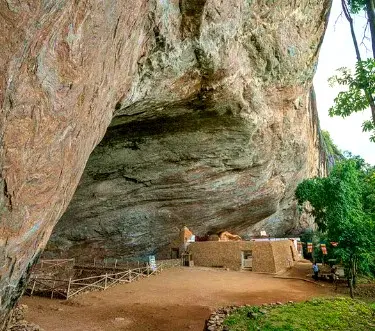
Why Visit: Pahiyangala Cave is one of the largest natural rock caves in Asia and filled with history.
Tourist Benefit: See fossils from the Prehistoric era and appreciate the quiet atmosphere of the area, which few visitors reach. Highly recommended for those that like walking and learning the history of a city.
Pahiyangala, also known as the Fa-Hien Cave, is one of Sri LankaΓÇÖs most fascinating archaeological sites. Here are some intriguing and lesser-known facts about Pahiyangala
- Ancient Inhabitants: Pahiyangala is renowned for its prehistoric significance. Excavations have uncovered human remains dating back approximately 37,000 years, making it one of the oldest known human habitations in Asia1. The remains, known as the Pahiyangala Man, include skulls and bones that provide valuable insights into early human life1.
- The Legend of Fa-Hien: The cave is named after the Chinese Buddhist monk Fa-Hien, who is believed to have lived there during his travels in the 5th century AD2. According to legend, Fa-Hien used the cave as a resting place on his journey to Sri Pada (Adam’s Peak)2.
- Archaeological Discoveries: Numerous artifacts have been discovered in Pahiyangala, including stone tools, animal bones, and prehistoric fireplaces1. These findings suggest that the cave was a significant site for early human activity and provides a glimpse into the lives of its ancient inhabitants1.
- The Largest Cave in Sri Lanka: Pahiyangala is the largest natural rock cave in Sri Lanka, with an entrance that is 175 feet high and over 200 feet long1. The cave’s vast interior and impressive dimensions make it a remarkable natural wonder1.
- Spiritual Significance: The cave has a strong connection to Buddhism. Inside, visitors can find a reclining Buddha statue, symbolizing the cave’s spiritual atmosphere and its historical use as a place of meditation and worship1.
- Natural Beauty: Surrounded by lush greenery and located 400 feet above sea level, Pahiyangala offers stunning views and a serene environment1. The journey to the cave involves a climb through thick jungle, adding to the sense of adventure and discovery1.
- Modern Tragedy: In recent years, Pahiyangala has also been the site of a tragic landslide that claimed several lives2. This event has added a somber note to the cave’s history, reminding visitors of the power and unpredictability of nature2.
10. Colombo: The Gateway to Sri Lanka
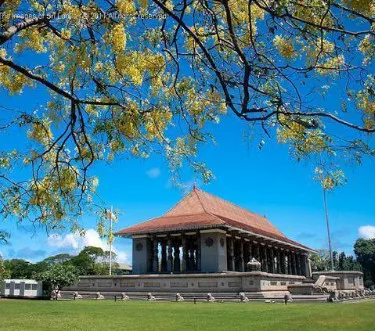
Why Visit: The second largest city of Sri Lankan and being its commercial capital ΓÇô Colombo is a vivid combination of contemporary facilities and colonial architecture.
Tourist Benefit: Want to relax ΓÇô the place offers the opportunity to visit the National Museum, spend a few hours in the Viharamahadevi Park, go shopping in the ΓÇÿPettah MarketΓÇÖ. Therefore, Colombo is perfect for individuals with an interest in experiencing some citiness of Sri Lanka, shopping or dining.
Colombo, the bustling capital of Sri Lanka, is a vibrant city that seamlessly blends modernity with rich cultural heritage. Here are some must-visit attractions in Colombo
- Gangaramaya Temple: One of the most important Buddhist temples in Colombo, Gangaramaya is a blend of modern architecture and cultural essence. It features a museum, a library, and a relic chamber, making it a significant religious and cultural site1.
- Galle Face Green: This urban park stretches along the coast, offering stunning views of the Indian Ocean. It’s a popular spot for locals and tourists alike to enjoy a leisurely evening stroll, fly kites, or savor street food1.
- Viharamahadevi Park: The largest and oldest park in Colombo, Viharamahadevi Park is known for its beautiful flowering trees, fountains, and a large Buddha statue. It’s a perfect place for a relaxing day out with family2.
- Colombo National Museum: Established in 1877, this museum houses a vast collection of artifacts that narrate the history and culture of Sri Lanka. Highlights include the throne and crown of the Kandyan monarchs1.
- Old Dutch Hospital: One of the oldest buildings in Colombo, the Old Dutch Hospital has been transformed into a shopping and dining precinct. It’s a great place to explore colonial architecture while enjoying modern amenities3.
- Pettah Market: A bustling bazaar where you can find everything from fresh produce to electronics. The market’s vibrant atmosphere and diverse offerings make it a must-visit for those looking to experience local life1.
- Mount Lavinia Beach: Located just a short drive from the city center, Mount Lavinia Beach is a popular destination for sunbathing, swimming, and enjoying seafood at beachside restaurants1.
- Independence Memorial Hall: Built to commemorate Sri Lanka’s independence from British rule in 1948, this monument is located in Independence Square. It’s a significant historical site and a popular spot for locals to relax and exercise1.
- Beira Lake: Situated in the heart of Colombo, Beira Lake is a serene spot surrounded by the hustle and bustle of the city. Visitors can enjoy boat rides and visit the Seema Malaka temple, which is located on the lake1.
- Colombo Lotus Tower: Standing at 350 meters, the Lotus Tower is the tallest structure in South Asia. It offers panoramic views of the city and the ocean, and features a revolving restaurant and observation deck1.
11. Indigenous Sri Lanka: Meet the Veddah Tribe
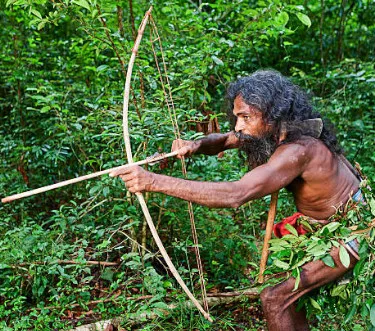
Why Visit: The Veddah are the real aboriginal people of Sri Lanka, who still live in the manner of stone age beings.
Tourist Benefit: Today there are several attractions that a tourist can visit to learn more about the Veddah and their ways of life; Dambana, the home of the Veddah people, offers tourists an exciting look at their way of life and how they survived in the wild. If you are an anthropology or cultures of indiginous peoples fanatic, it is a good experience.
The Veddah Tribe, also known as the Wanniya-laeto or Forest Dwellers, are the indigenous people of Sri Lanka. They offer a unique glimpse into the islandΓÇÖs ancient past and rich cultural heritage. Here are some intriguing and lesser-known facts about the Veddah
- Ancient Origins: The Veddahs are considered the original inhabitants of Sri Lanka, with a history that predates the arrival of the Sinhalese over 2,500 years ago1. They are believed to be descendants of the island’s earliest human settlers, possibly linked to the Australoid-Negroid groups1.
- Distinctive Lifestyle: Traditionally, the Veddahs were hunter-gatherers, relying on the forest for their sustenance. They hunted game, gathered wild honey, and used simple tools like the bow and arrow and the axe1. Despite modern influences, some Veddah communities still practice these ancient ways1.
- Cultural Practices: The Veddahs have a rich cultural heritage, including unique rituals, dances, and ceremonies. They use bows and arrows in various traditional ceremonies, even though these weapons are less common in their daily lives today1.
- Language and Communication: While the Veddahs originally spoke their own language, they now primarily use Sinhala or Tamil, depending on their region2. Only faint traces of their original language remain, making it a critical aspect of their cultural preservation2.
- Spiritual Beliefs: The Veddahs have a deep spiritual connection to nature. They believe in a variety of spirits and deities associated with the forest and their ancestors. Rituals and offerings are an integral part of their spiritual practices1.
- Modern Challenges: The Veddah community faces numerous challenges due to modernization and encroachment on their traditional lands. Many have been resettled in villages, leading to a loss of their traditional lifestyle and increased exposure to diseases1. Efforts are ongoing to preserve their culture and way of life1.
- Dambana Village: Dambana is one of the last remaining strongholds of the Veddah community. Visitors to this village can learn about Veddah culture, participate in traditional activities, and gain a deeper understanding of their way of life1.
- Unique Cuisine: The Veddahs have a distinctive cuisine that includes game meat, wild honey, and various forest plants. One traditional method of preserving meat involves storing it in the hollow of a tree, covered with wild honey and sealed with clay1.
12. Pottery Village: Traditional Craftsmanship
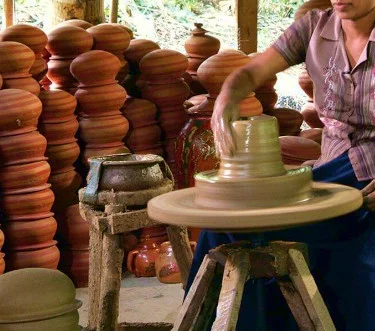
Why Visit: Sri Lanka pottery village has the specialty of traditional making work passed on from the generations.
Tourist Benefit: Tourism offers the opportunity to observe the craftsmen at work and to buy locally made pottery. It is a cultural event of its own and ideal for those who love art and handicrafts, and souvenirs in particular.
Sri LankaΓÇÖs pottery villages are a testament to the islandΓÇÖs rich cultural heritage and artisanal skills. Here are some intriguing and lesser-known facts about these villages
- Ragama Pottery Village: Located in the Western Province, Ragama is renowned for its traditional pottery. The village is home to skilled artisans who have passed down their craft through generations. Visitors can witness the entire pottery-making process, from shaping the clay to firing the finished products in traditional kilns1.
- Weerawila Pottery Village: Situated in the Southern Province, Weerawila is famous for its unique red clay pottery. The village’s artisans create a variety of items, including cooking pots, water jugs, and decorative pieces. The red clay, sourced locally, gives the pottery its distinctive color and durability1.
- Traditional Techniques: The pottery-making process in these villages remains largely unchanged for centuries. Artisans use foot-powered wheels to shape the clay and hand tools to add intricate designs. The pottery is then sun-dried before being fired in wood-fired kilns, a method that enhances the strength and longevity of the pieces1.
- Cultural Significance: Pottery plays a vital role in Sri Lankan culture, particularly in rural communities. Traditional clay pots are used for cooking, storing water, and religious rituals. The craftsmanship reflects the island’s rich history and the artisans’ deep connection to their heritage1.
- Hands-On Experience: Many pottery villages offer workshops where visitors can try their hand at pottery making. These hands-on experiences provide a deeper appreciation for the skill and effort involved in creating each piece. It’s a perfect activity for tourists looking to immerse themselves in local culture1.
- Sustainable Craft: Pottery in Sri Lanka is an eco-friendly craft. The materials used are natural and locally sourced, and the production process has minimal environmental impact. This sustainable approach is increasingly appealing to eco-conscious travelers1.
- Unique Designs: Each pottery village has its own distinctive style and designs. From the intricate patterns of Ragama to the bold, rustic forms of Weerawila, the diversity in craftsmanship is a reflection of the island’s rich cultural tapestry1.
13. Laksha Village: Masterpieces in Lacquerware
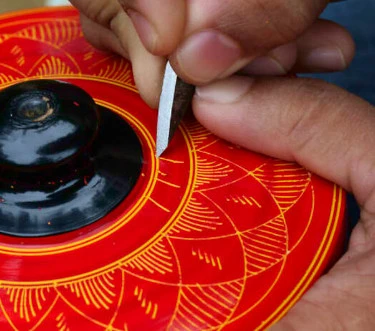
Why Visit: Lacquerware is an ancient craft of Sri Lanka where Laksha Village has gained its popularity.
Tourist Benefit: Tourists, for instance, can watch artisans, carving intricate motifs on different items of wood, or even learn how to do this themselves. Ideal for art lovers or for anyone who likes art and creativity.
Laksha Village, renowned for its exquisite lacquerware, is a hidden gem in Sri LankaΓÇÖs rich artisanal landscape. Here are some intriguing and lesser-known facts about Laksha Village
- Ancient Craft: The art of lacquerware, known locally as Laaksha, has a deep-rooted history in Sri Lanka, dating back to the introduction of Buddhism to the island. It is believed that the craft was brought to Sri Lanka along with the sacred sapling of the Sri Maha Bodhi tree from India1.
- Unique Techniques: The artisans of Laksha Village use traditional techniques that have been passed down through generations. They apply lacquer, a natural resin, to wooden objects and then decorate them with intricate designs using natural dyes. The process involves multiple layers of lacquer, each polished to a high sheen1.
- Cultural Significance: Lacquerware is not just a craft but a cultural heritage in Sri Lanka. It is used in various religious and cultural ceremonies, and the vibrant colors and intricate patterns reflect the island’s rich artistic traditions1.
- Sustainable Craft: The materials used in lacquerware are eco-friendly and locally sourced. The lacquer is derived from the sap of the lacquer tree, and the dyes are made from natural substances like minerals and plants. This sustainable approach is increasingly appealing to eco-conscious travelers1.
- Diverse Products: The artisans of Laksha Village create a wide range of products, from traditional items like bowls, boxes, and vases to modern decorative pieces. Each item is a unique masterpiece, showcasing the skill and creativity of the artisans1.
- Hands-On Experience: Visitors to Laksha Village can participate in workshops where they can learn the basics of lacquerware making. These hands-on experiences provide a deeper appreciation for the craft and allow tourists to create their own unique souvenirs1.
- Economic Impact: The lacquerware industry plays a significant role in the local economy, providing livelihoods for many families in the village. By supporting this traditional craft, visitors contribute to the preservation of cultural heritage and the well-being of the community1.
14. Herbs and Spices: Explore Sri LankaΓÇÖs Spice Gardens
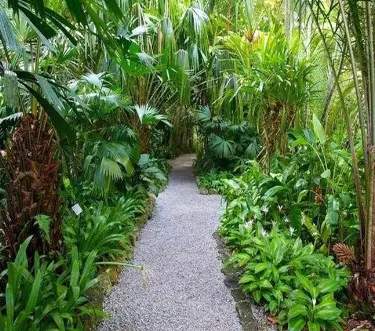
Why Visit: The island has been known for spices for a long time now.
Tourist Benefit: For the enhancement of social and nature interaction, tourists can visit spice gardens, learn on herbal medicinal practices among the ancient people as well as have a taste and purchase organic spices. Suitable for people who look for, organic/natural products, culinary, Sri Lankan dishes.
Sri Lanka, often referred to as the ΓÇ£Spice Island,ΓÇ¥ is renowned for its rich variety of spices and herbs. The islandΓÇÖs spice gardens offer a unique opportunity to explore this aromatic heritage. Here are some intriguing and lesser-known facts about Sri LankaΓÇÖs spice gardens
- Historical Significance: Sri Lanka’s spice heritage dates back over 3,000 years. The island was a key station on the ancient Spice Routes, attracting traders from around the world. Spices like cinnamon were once considered more valuable than gold1.
- Diverse Spices: Sri LankaΓÇÖs spice gardens cultivate a wide range of spices, including cinnamon, black pepper, cardamom, cloves, nutmeg, vanilla, turmeric, ginger, and curry leaves1. Each spice has its own unique flavor profile and uses in both culinary and medicinal applications.
- Popular Spice Gardens: Some of the most famous spice gardens in Sri Lanka include the Ranweli Spice Garden in Kandy, the Arunalu Spice Garden in Matale, and the New Ranweli Spice Garden in Kandy2. These gardens offer guided tours where visitors can learn about the cultivation and processing of various spices.
- Cinnamon (Kurundu): Sri Lanka is particularly famous for its high-quality cinnamon, known for its sweet and toasty flavor. The island’s cinnamon is highly prized and has been a major export for centuries1.
- Ayurvedic Uses: Many of the spices grown in Sri Lanka’s spice gardens are also used in traditional Ayurvedic medicine. For example, turmeric is known for its anti-inflammatory properties, while ginger is used to aid digestion1.
- Sustainable Practices: The spice gardens in Sri Lanka often employ sustainable and eco-friendly farming practices. The use of natural fertilizers and traditional farming methods helps preserve the environment and maintain the quality of the spices1.
- Cultural Experience: Visiting a spice garden is not just about learning; it’s also about experiencing the rich cultural heritage of Sri Lanka. Many gardens offer cooking demonstrations, where visitors can see how spices are used in traditional Sri Lankan cuisine1.
- Hands-On Activities: Some spice gardens offer hands-on activities, allowing visitors to participate in the spice processing. This can include grinding spices, making spice-infused oils, or even creating traditional herbal remedies1.
Conclusion
Beautiful with its colorful history, fascinating culture and stunning locations Sri Lanka is definitely an unforgettable country for every tourist. Anuradhapura and Polonnaruwa show history that really comes alive through Kandy, the richness of the area and Sigiriya, which is stunning around. When you visit these amazing 14 Wonders of World Heritage & Cultural sites not only do you learn, but youΓÇÖll be leaving with memories that are priceless. So get ready, bring that colorful and welcoming attitute of Sri Lanka and get ready to explore this spectacular island that is waiting for you.
Frequently Asked Questions
What are the best World Heritage Sites to visit in Sri Lanka?
Some of the must-see World Heritage Sites in Sri Lanka include:
- Anuradhapura: Known for its ancient ruins and sacred Bodhi tree, Anuradhapura is a UNESCO World Heritage Site rich in history.
- Sigiriya: Famous for its striking rock fortress, Sigiriya offers breathtaking views and intricate frescoes.
- Kandy: Home to the Temple of the Tooth, Kandy is a cultural hub with beautiful gardens and a vibrant atmosphere.
- Polonnaruwa: This ancient city showcases impressive archaeological sites, including temples and palaces.
- Galle: Known for its well-preserved Dutch colonial architecture, Galle Fort is a picturesque coastal city steeped in history .
How can I travel between World Heritage Sites in Sri Lanka?
Traveling between World Heritage Sites in Sri Lanka can be accomplished through various means:
- Public Transport: Buses and trains connect major cities and towns, providing an affordable option for travelers.
- Private Vehicle: Renting a car or hiring a driver can offer flexibility and convenience, allowing you to explore at your own pace.
- Guided Tours: Many companies offer organized tours that include transportation between sites, making it easy for visitors to access multiple destinations
What is the significance of the Temple of the Tooth in Kandy?
The Temple of the Tooth, or Sri Dalada Maligawa, houses the sacred tooth relic of the Buddha, making it one of the most important religious sites in Sri Lanka. Pilgrims and tourists alike visit the temple to pay their respects and witness the ceremonial processions held regularly. Its architectural beauty and cultural significance have earned it a prominent place in Sri LankaΓÇÖs heritage What are the opening hours and entrance fees for Sigiriya Rock Fortress?
- Opening Hours: Sigiriya Rock Fortress is typically open from 7:00 AM to 5:30 PM. ItΓÇÖs advisable to arrive early to avoid crowds and enjoy cooler temperatures.
- Entrance Fees: The entrance fee for foreign visitors is around 4,500 LKR (Sri Lankan Rupees), while local residents pay a reduced fee. Prices can vary, so checking for updates before your visit is recommended .
Are there guided tours available for Polonnaruwa and Anuradhapura?
Yes, guided tours for both Polonnaruwa and Anuradhapura are widely available. Many tour operators offer packages that include transportation, a knowledgeable guide, and entry fees, providing a comprehensive experience that highlights the historical and cultural importance of these ancient cities. Private guides can also be hired for a more personalized tour . What is the best time to visit Sri Lanka for cultural exploration?
The best time to visit Sri Lanka for cultural exploration is typically during the dry season, which runs from December to March. This period offers pleasant weather and clear skies, making it ideal for outdoor activities and site visits. Additionally, cultural festivals such as the Kandy Esala Perahera in July/August provide unique opportunities to experience Sri LankaΓÇÖs rich traditions and celebrations .
Some of the must-see World Heritage Sites in Sri Lanka include:
- Anuradhapura: Known for its ancient ruins and sacred Bodhi tree, Anuradhapura is a UNESCO World Heritage Site rich in history.
- Sigiriya: Famous for its striking rock fortress, Sigiriya offers breathtaking views and intricate frescoes.
- Kandy: Home to the Temple of the Tooth, Kandy is a cultural hub with beautiful gardens and a vibrant atmosphere.
- Polonnaruwa: This ancient city showcases impressive archaeological sites, including temples and palaces.
- Galle: Known for its well-preserved Dutch colonial architecture, Galle Fort is a picturesque coastal city steeped in history .
Traveling between World Heritage Sites in Sri Lanka can be accomplished through various means:
- Public Transport: Buses and trains connect major cities and towns, providing an affordable option for travelers.
- Private Vehicle: Renting a car or hiring a driver can offer flexibility and convenience, allowing you to explore at your own pace.
- Guided Tours: Many companies offer organized tours that include transportation between sites, making it easy for visitors to access multiple destinations
The Temple of the Tooth, or Sri Dalada Maligawa, houses the sacred tooth relic of the Buddha, making it one of the most important religious sites in Sri Lanka. Pilgrims and tourists alike visit the temple to pay their respects and witness the ceremonial processions held regularly. Its architectural beauty and cultural significance have earned it a prominent place in Sri LankaΓÇÖs heritage
- Opening Hours: Sigiriya Rock Fortress is typically open from 7:00 AM to 5:30 PM. ItΓÇÖs advisable to arrive early to avoid crowds and enjoy cooler temperatures.
- Entrance Fees: The entrance fee for foreign visitors is around 4,500 LKR (Sri Lankan Rupees), while local residents pay a reduced fee. Prices can vary, so checking for updates before your visit is recommended .
Yes, guided tours for both Polonnaruwa and Anuradhapura are widely available. Many tour operators offer packages that include transportation, a knowledgeable guide, and entry fees, providing a comprehensive experience that highlights the historical and cultural importance of these ancient cities. Private guides can also be hired for a more personalized tour .
The best time to visit Sri Lanka for cultural exploration is typically during the dry season, which runs from December to March. This period offers pleasant weather and clear skies, making it ideal for outdoor activities and site visits. Additionally, cultural festivals such as the Kandy Esala Perahera in July/August provide unique opportunities to experience Sri LankaΓÇÖs rich traditions and celebrations .
Search Blog
Categories
Recent Posts

Our App & Travel Smarter
Book tours, track your itinerary, and get instant updates all from your phone.